Planning & Budget
What Should an Online Landscape Design Package Include?
A homeowner’s checklist for comparing plans, legends, revisions, visualization, and the services that remain separate.
Online landscape design can be a practical way to get a thoughtful plan without beginning with an onsite visit. But “landscape design package” can mean very different things from one provider to another. The best comparison is not a single price—it is a clear look at scope, documentation, communication, and what remains outside the design service.
1. Start with the property area and project scope.
A useful package should tell you exactly which portion of the property it is designed for. A front yard, an existing backyard, a blank new-construction backyard, and a full property all involve different questions. Before comparing offers, make sure the scope matches the zones you want resolved.
Crafterra organizes its fixed-price online offering around four scopes: New Construction Backyard, Front Yard Design, Backyard Design, and Full Property Design. Larger, unusually complex, sloped, phased, or specialty properties can need a custom scope instead.
2. Look closely at the actual plan and legends.
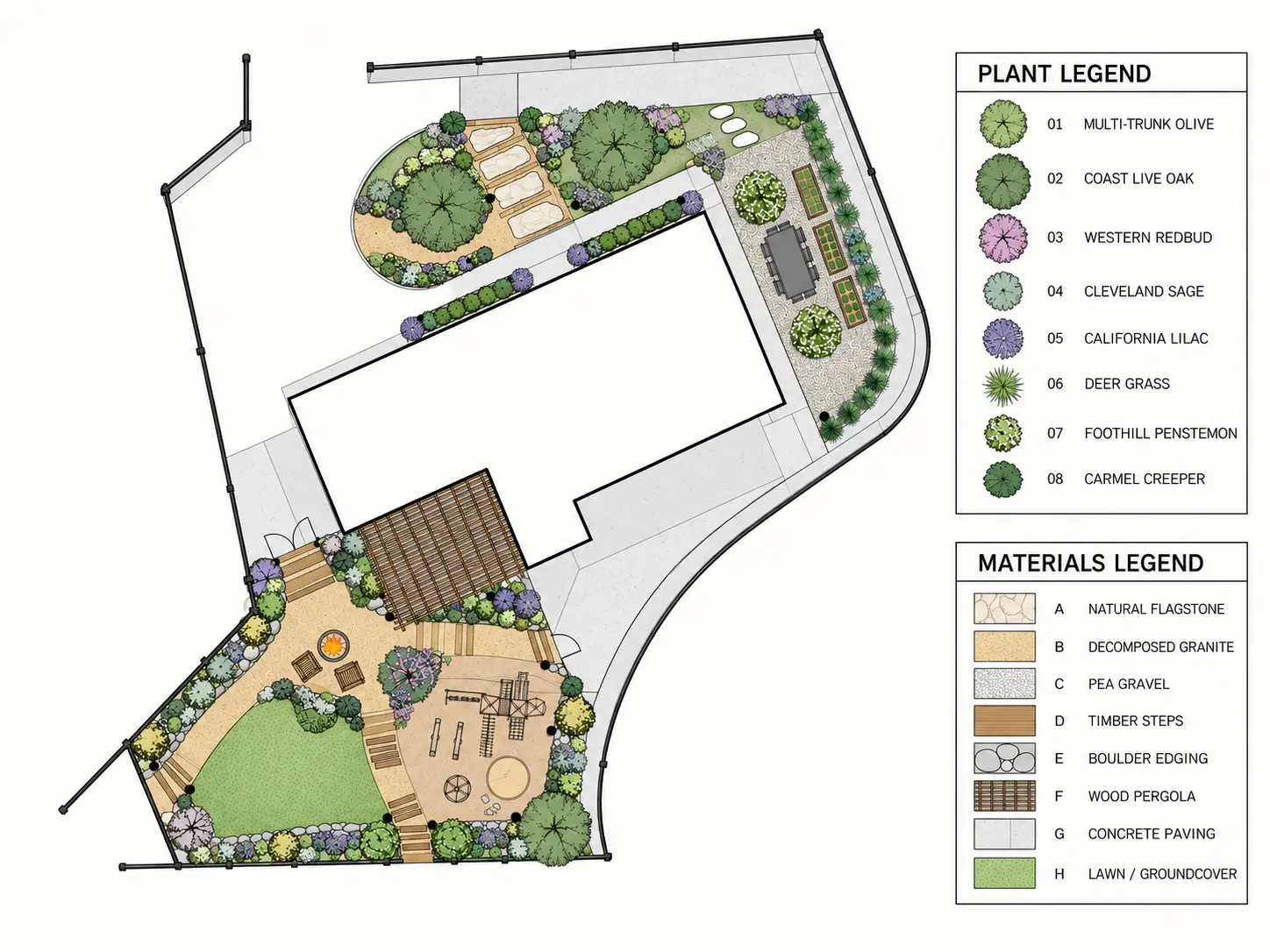
Ask what you will receive—not just whether a provider offers “a design.” A plan should explain the layout and help organize the next conversation. Depending on scope, useful documentation can include a scaled 2D layout, circulation and feature placement, a planting plan with locations and quantities, material direction, and landscape lighting intent.
Read the legends as well as the drawing. Legend keys connect symbols on the plan to the plants or materials they represent. Check whether planting information identifies the intended plants and quantities, and whether material notes explain the type and design direction. A generic image without those references answers a different question from a documented plan.
Crafterra’s TERRA CAD package includes a final PDF design package, with the exact layout tailored to the purchased property scope. It is a conceptual landscape design for a single-family residence, not construction documentation.
3. Understand communication, revision, and timing.
Before buying, ask how you will communicate with the design team, when you can ask questions, and how feedback must be submitted. Confirm whether calls, written messages, or review meetings are included rather than assuming unlimited access to a designer.
Design is a decision-making process, so revision terms should be easy to find. Crafterra’s standard online packages include one consolidated 2D revision. That works best when homeowners review the initial direction together and send one organized set of notes rather than a series of disconnected changes.
Timing also needs context. Crafterra’s current online process begins after a complete intake is received: the first 2D design direction is typically prepared in approximately 5–7 days, followed by the final PDF approximately 7–10 days after the consolidated revision notes are received. TERRA VISION projects normally need approximately 3–5 additional days for the photorealistic views.
4. Know where 3D visualization fits.
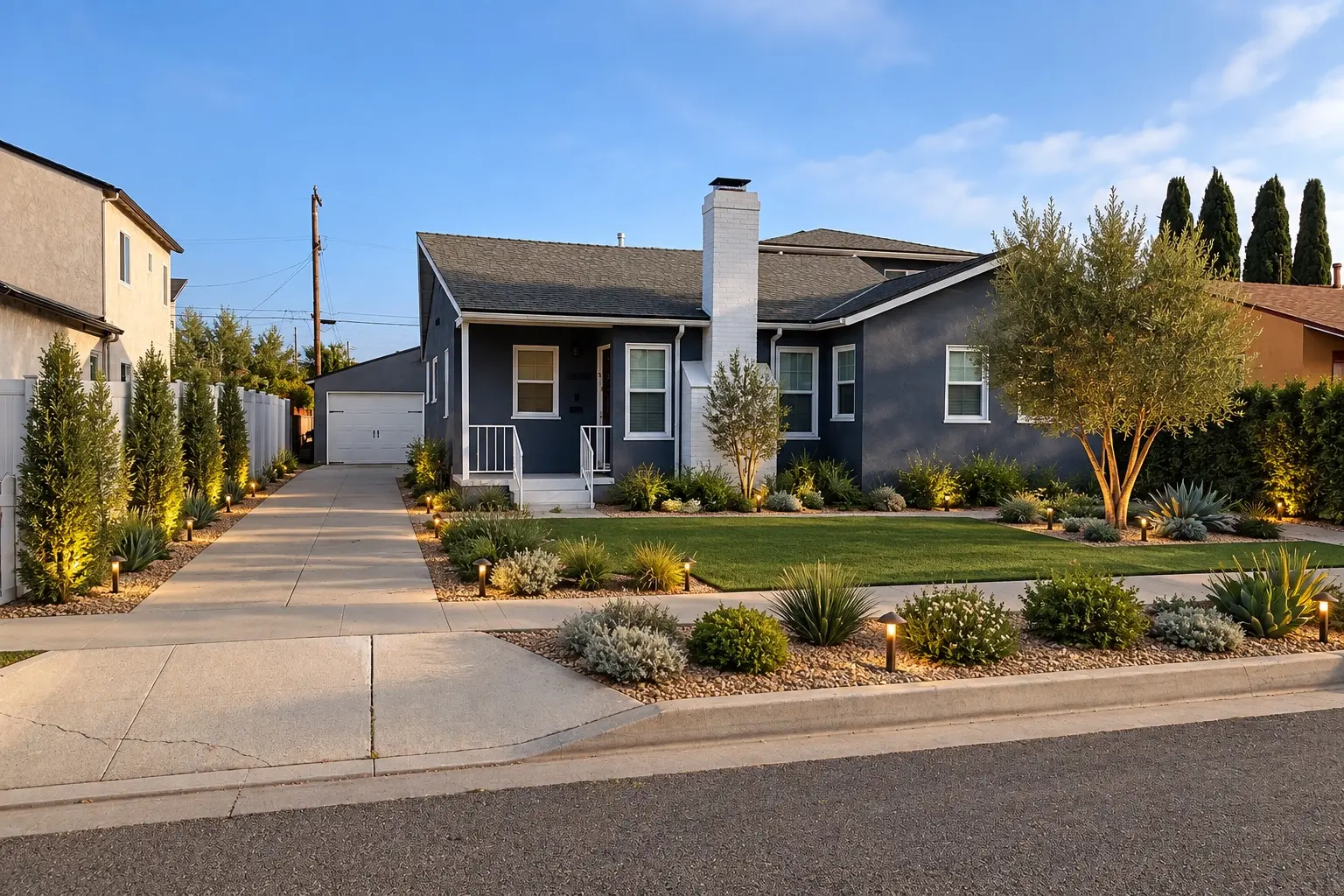
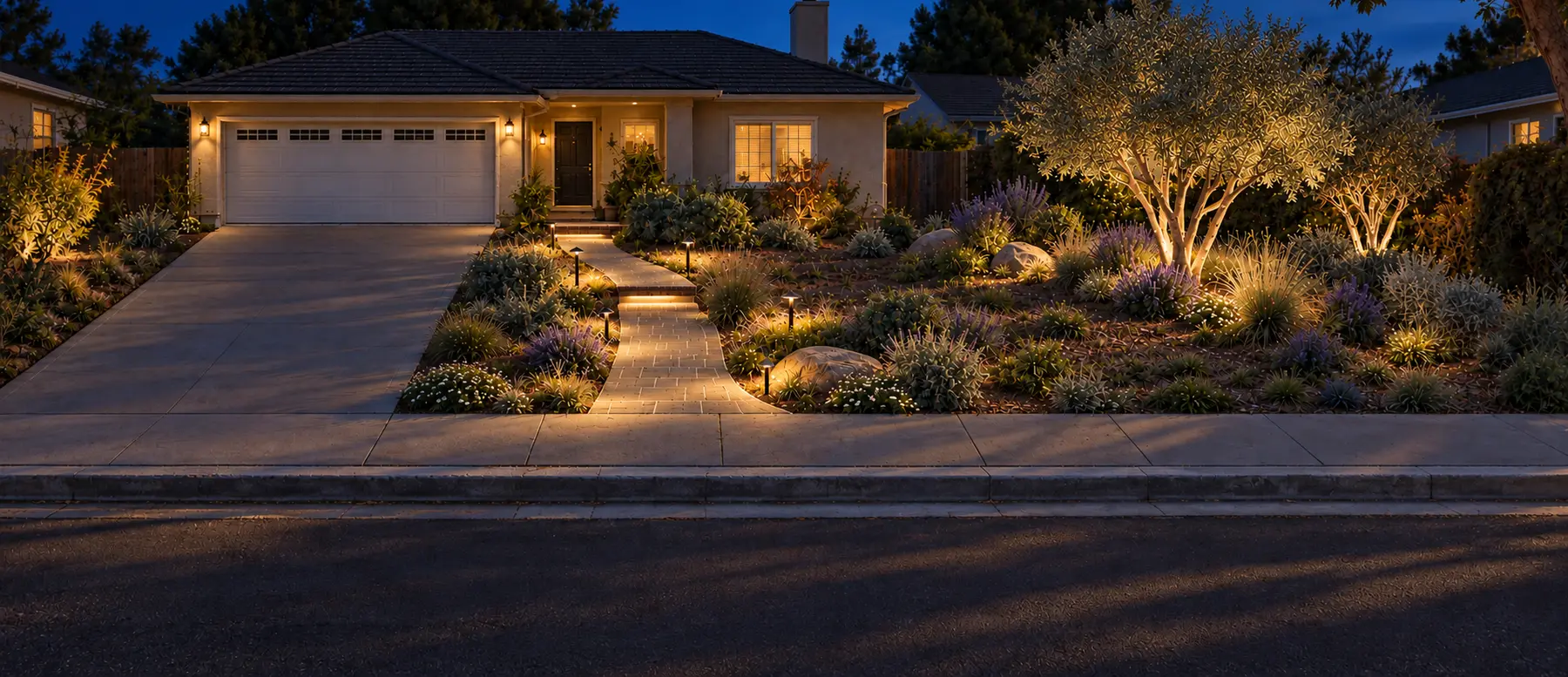
Visualization can be valuable when you are weighing atmosphere, material mood, lighting, or the relationship between key spaces. It should support—not replace—the underlying plan. At Crafterra, TERRA VISION includes the TERRA CAD foundation plus coordinated photorealistic day and twilight views developed after approval of the 2D plan. New Construction Backyard: 10 final photorealistic renders of the same approved design across day/night angles. Front Yard Design: 3 coordinated photorealistic day and twilight views. Backyard Design: 3 coordinated photorealistic day and twilight views. Full Property Design: 5 coordinated photorealistic day and twilight views.
5. Be clear about the services that remain separate.
A responsible online design package should explain its boundaries. Crafterra’s remote packages do not include an onsite property visit. Permits, engineering, field verification, construction details and specifications, grading or drainage design, electrical work, code compliance, and HOA approvals are separate matters when required. The appropriate licensed professionals and the contractor you choose should confirm those items before work proceeds.
For homeowners who want an onsite starting point, Crafterra also offers custom-quoted in-person design for select Southern California properties. That is a separate service path, not an add-on assumed inside a nationwide online package.
6. Ask what your contractor can use.
A conceptual plan can make contractor conversations more focused by communicating layout, planting locations, material direction, lighting intent, and priorities. It does not eliminate the contractor’s responsibility to verify site conditions, produce construction pricing, or coordinate any required permits and technical documentation.
The strongest online design offer is honest about both sides: it gives you a clearer direction and it tells you where professional construction coordination begins.
Compare with clarity
See the current Crafterra package scopes.
Review the property scopes, deliverables, and design levels before choosing a package.
Compare packages