AI & Professional Design
AI Landscape Concepts vs. Human-Designed Landscape Plans: What’s the Difference?
Use AI to explore a direction, then understand when a property-specific plan becomes the better next step.
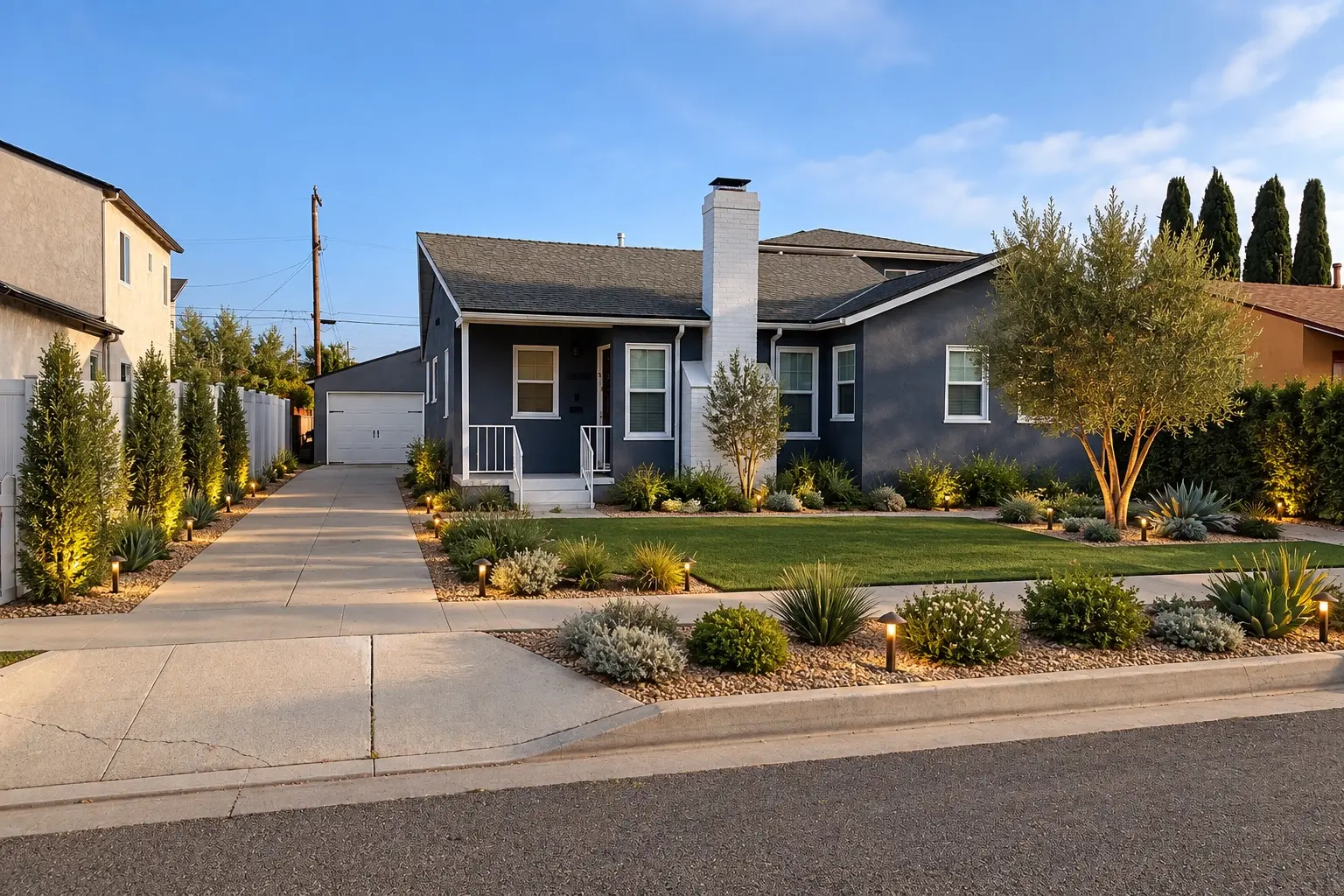
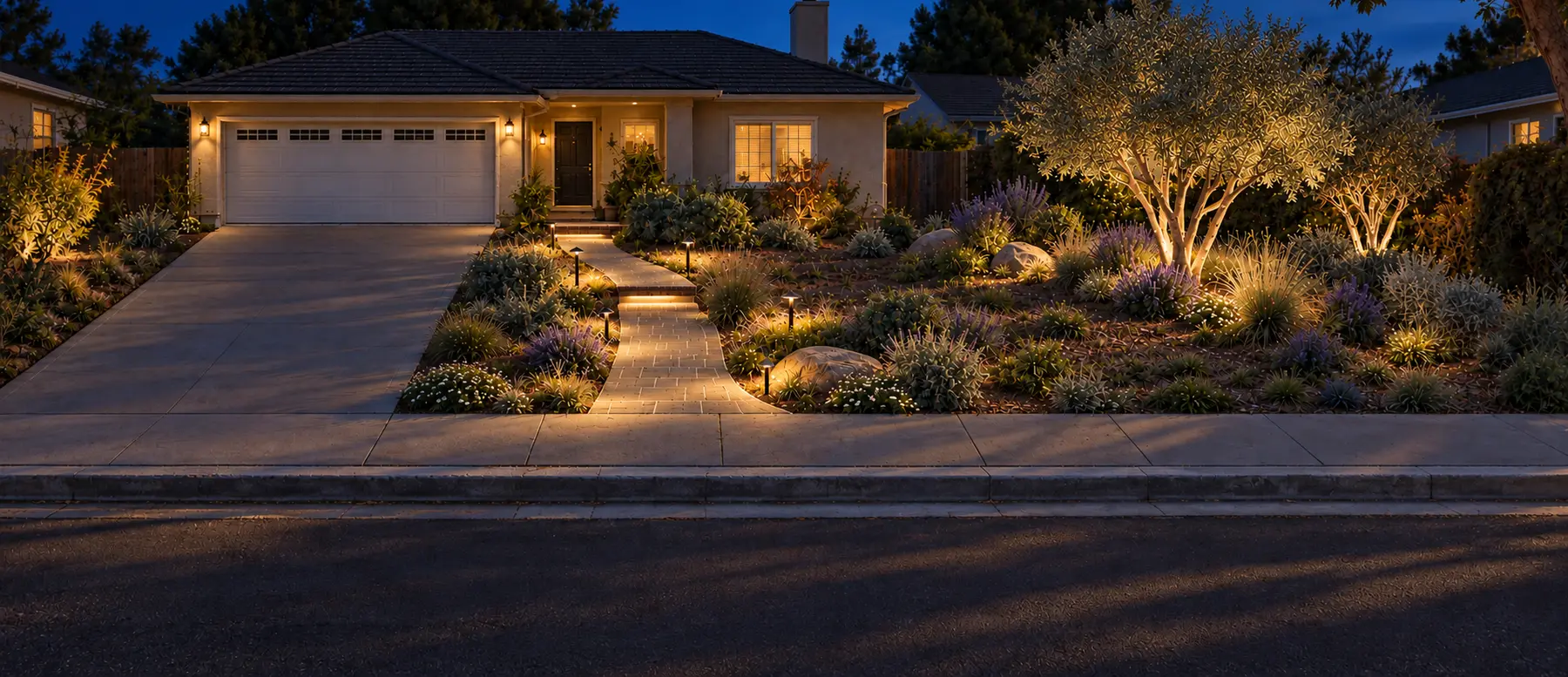
A landscape image can make an idea feel immediate. That is exactly why AI concept tools are useful: they help homeowners react to a mood, a layout direction, or a style before they have committed to a full project. But an inspiring image and a property-specific design solve different problems.
AI concepts are a good starting point.
AI can quickly help you test a direction: warmer materials or cooler tones, a more structured entry, a poolside lounge, more privacy, or a cleaner modern look. It is especially helpful when you know how you want the space to feel but do not yet have the language to describe it.
At Crafterra, CRAFT Ai is positioned as inspiration. A homeowner can use a concept to organize preferences and begin a better conversation about the property. That image can become part of a brief, not a substitute for one.
What an attractive image does not verify.
An image may look resolved while leaving the practical questions unanswered. Without property-specific information, it cannot confirm usable dimensions, access, existing conditions, plant suitability, drainage strategy, exact material quantities, utility conflicts, code requirements, or the construction details a contractor may need.
That does not make the image unhelpful. It simply means it should be treated honestly: as a visual prompt rather than a final landscape plan.
Plant choices are a good example. The EPA’s WaterSense landscaping guidance recommends considering local climate, sun and shade, and soil conditions. A plant that looks right in an image still needs to fit the actual site.
What a human designer adds.
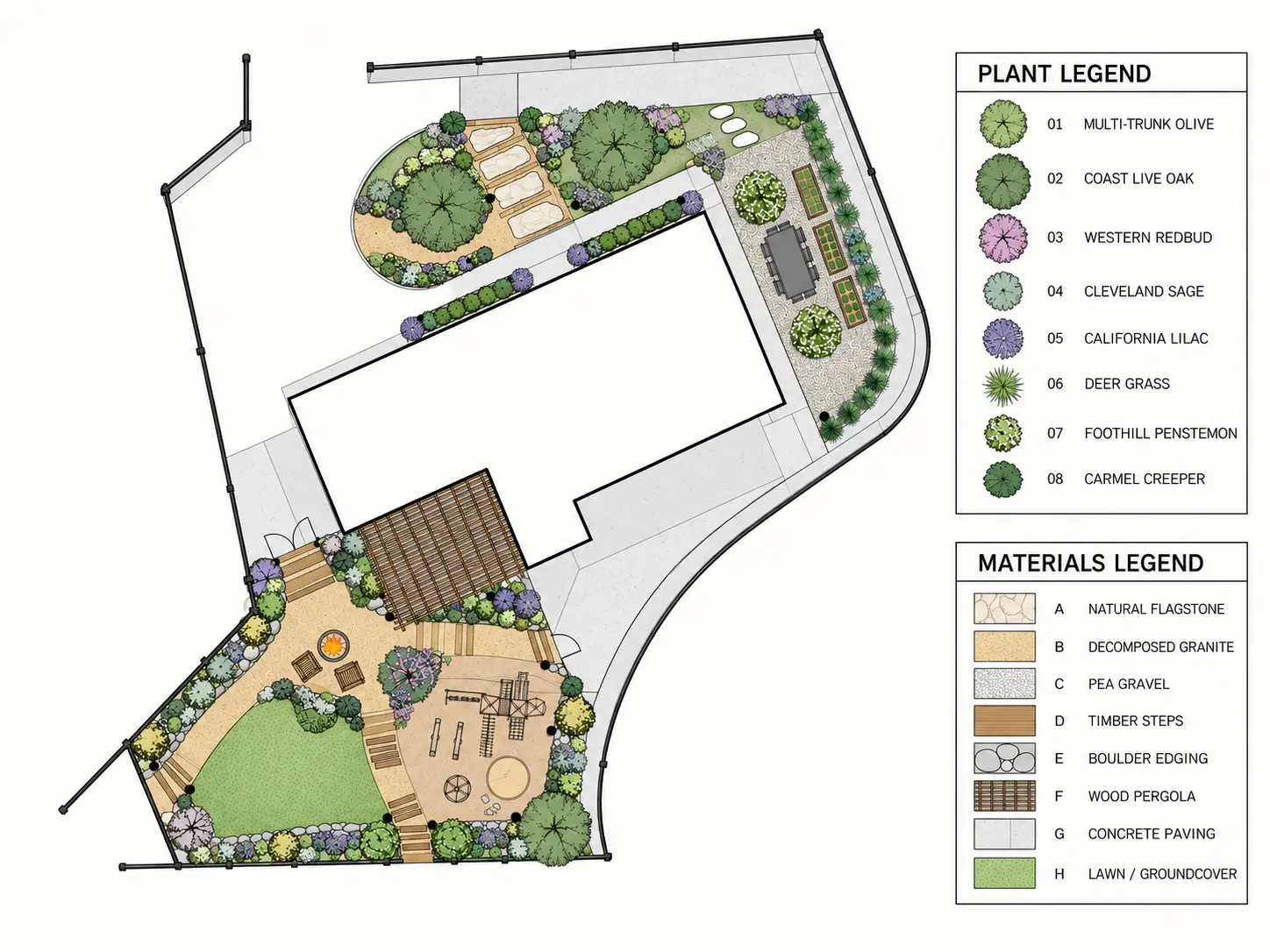
A professional designer works from the information that makes a landscape personal and usable: the home, available measurements, property photos, intended use, priorities, circulation, existing conditions, climate context, and project constraints. The goal is not merely to create a look. It is to make the relationships between spaces understandable.
For Crafterra’s online packages, the result begins with a scaled 2D design direction and can include planting information, material direction, landscape lighting intent, one consolidated revision, and a final PDF package. TERRA VISION adds coordinated photorealistic imagery after the 2D plan is approved, so visual exploration is connected to an actual design direction.
When to move from inspiration into design.
Move into professional design when the project requires decisions that affect cost, sequence, contractor conversations, or how the property will function. That might be a new-construction backyard, an entry that needs privacy and curb appeal, an existing yard that lacks flow, or a full property with several connected zones.
Bring the inspiration you like—but also bring photos, measurements or plans, priorities, and a clear sense of how you want to use the space. The more accurately the designer understands the property, the more useful the next design decision becomes.
Ready for the next step?
Turn the direction into a property-specific plan.
Compare Crafterra’s online landscape design packages and choose the scope that fits your property.
Explore design packages